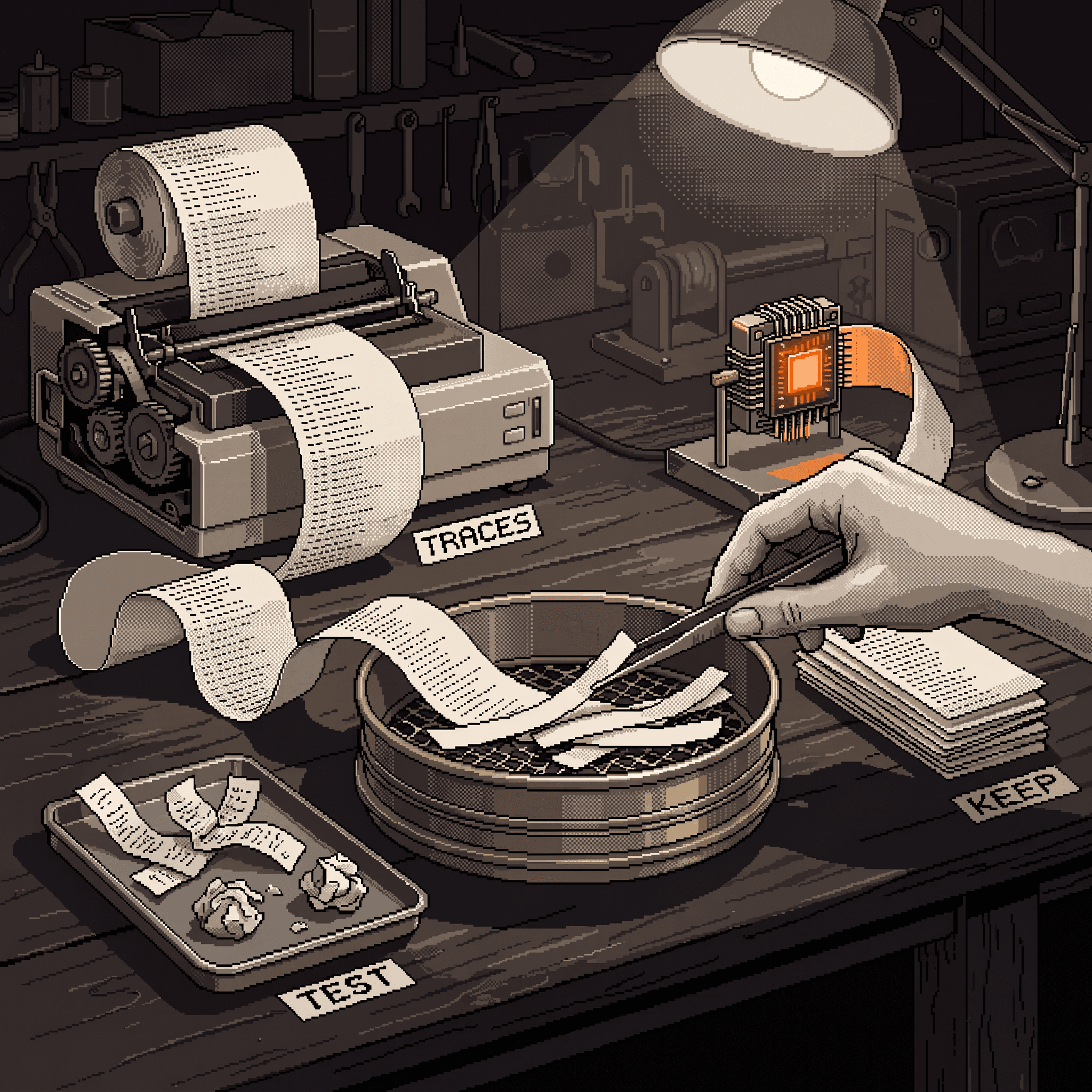
How to fine-tune a model on your agent's traces

by Sam Morris

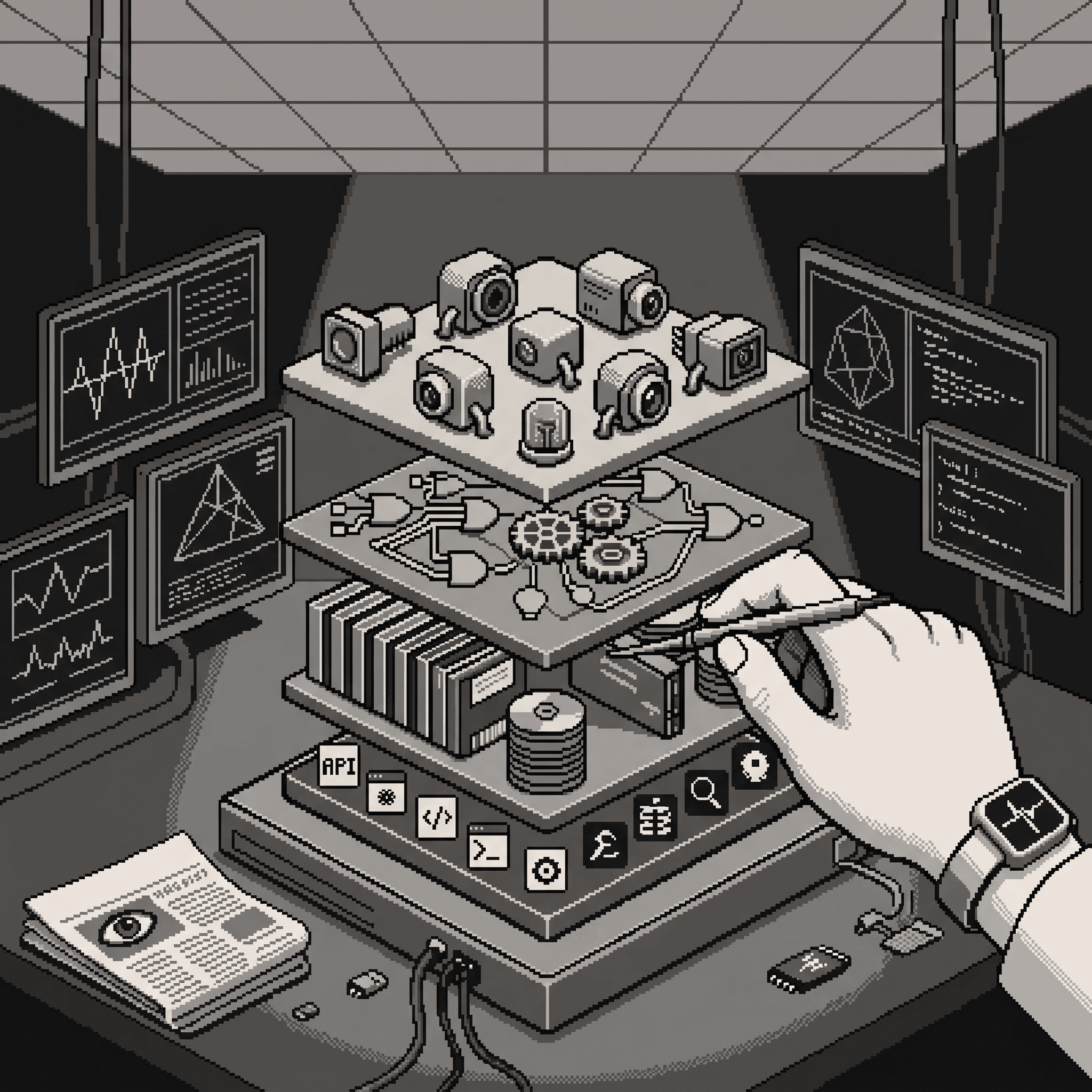
The traces your agent already sends to Langfuse or LangSmith can train a model to do one of its jobs, but only a small slice of them is worth training on. Keep runs with a good outcome, remove duplicates and personal data, and test on data the model never saw. Export code for both tools is included.

Tutorials
Data
Observability

Your OpenAI fine-tunes have an end date

by Sam Morris

OpenAI is winding down self-serve fine-tuning. New training jobs stop on January 6, 2027, and fine-tuned GPT-4o and GPT-4.1 models, minis included, stop answering on January 14. OpenAI's docs describe no way to export the weights, so the way out is to train a replacement on data you own. This guide covers how, with code and a week-by-week plan.

Tutorials
Models
Data

RAG vs fine-tuning

by Sam Morris

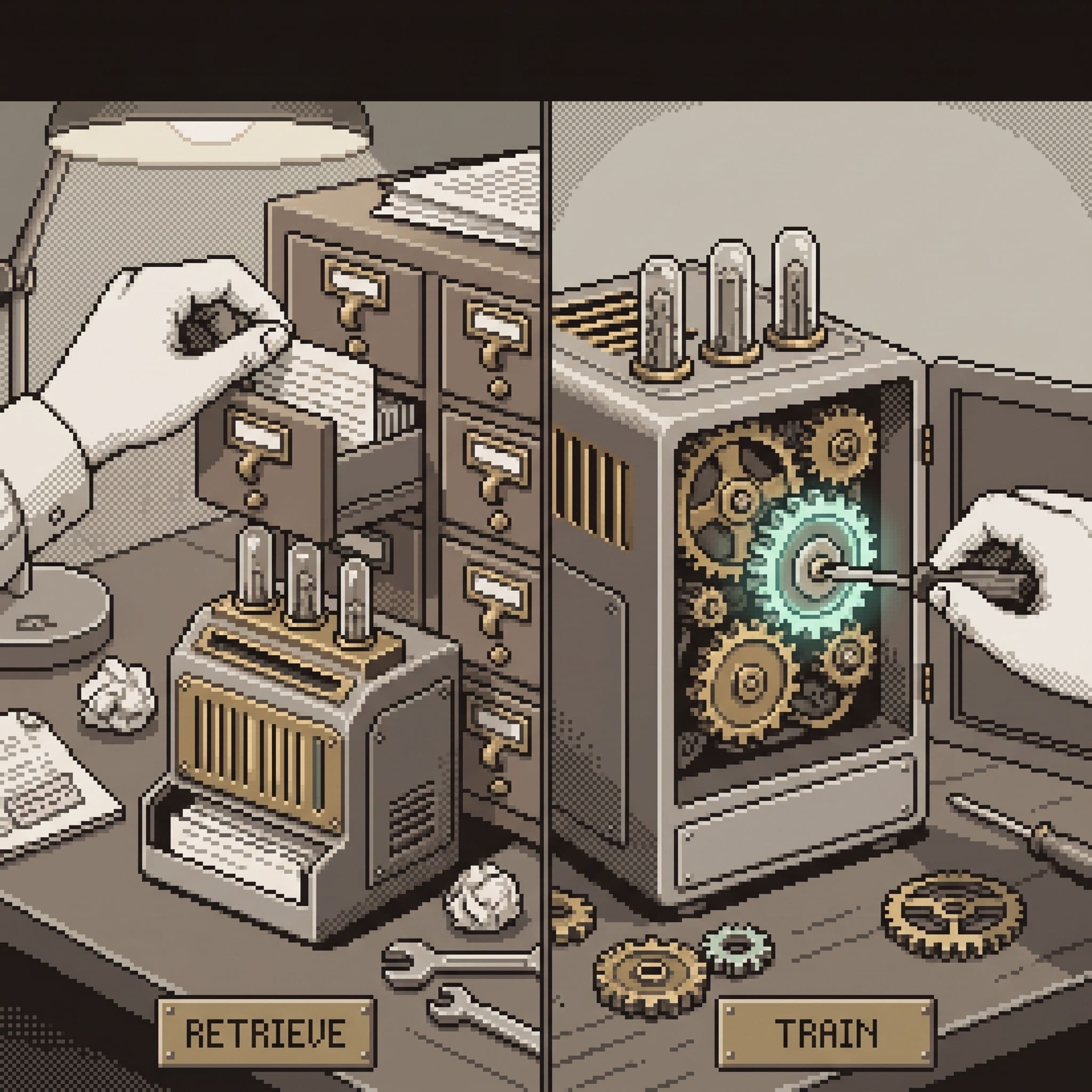
RAG retrieves documents and adds them to the prompt, so the model has the right facts at the moment it answers. Fine-tuning trains the model on examples, so the behavior you want becomes its default. Use RAG for knowledge that changes or needs a source. Fine-tune when the model has the facts but gets the format, tone or decision wrong on a narrow task that repeats.

Product
Data

My summer at Overmind

by Shashank

A summer internship reflection on autonomy, hard problems, and building across the Overmind product.

News
Reflections
Agents

Small is the new frontier

by Tyler Edwards

Why specialized models trained on your own production data are becoming the practical path to owned intelligence.

Research
Models
Data
Agents

When bigger isn’t better

On specialized tasks, Overmind-trained small language models outperform frontier models on accuracy, hallucination, and cost.

Research

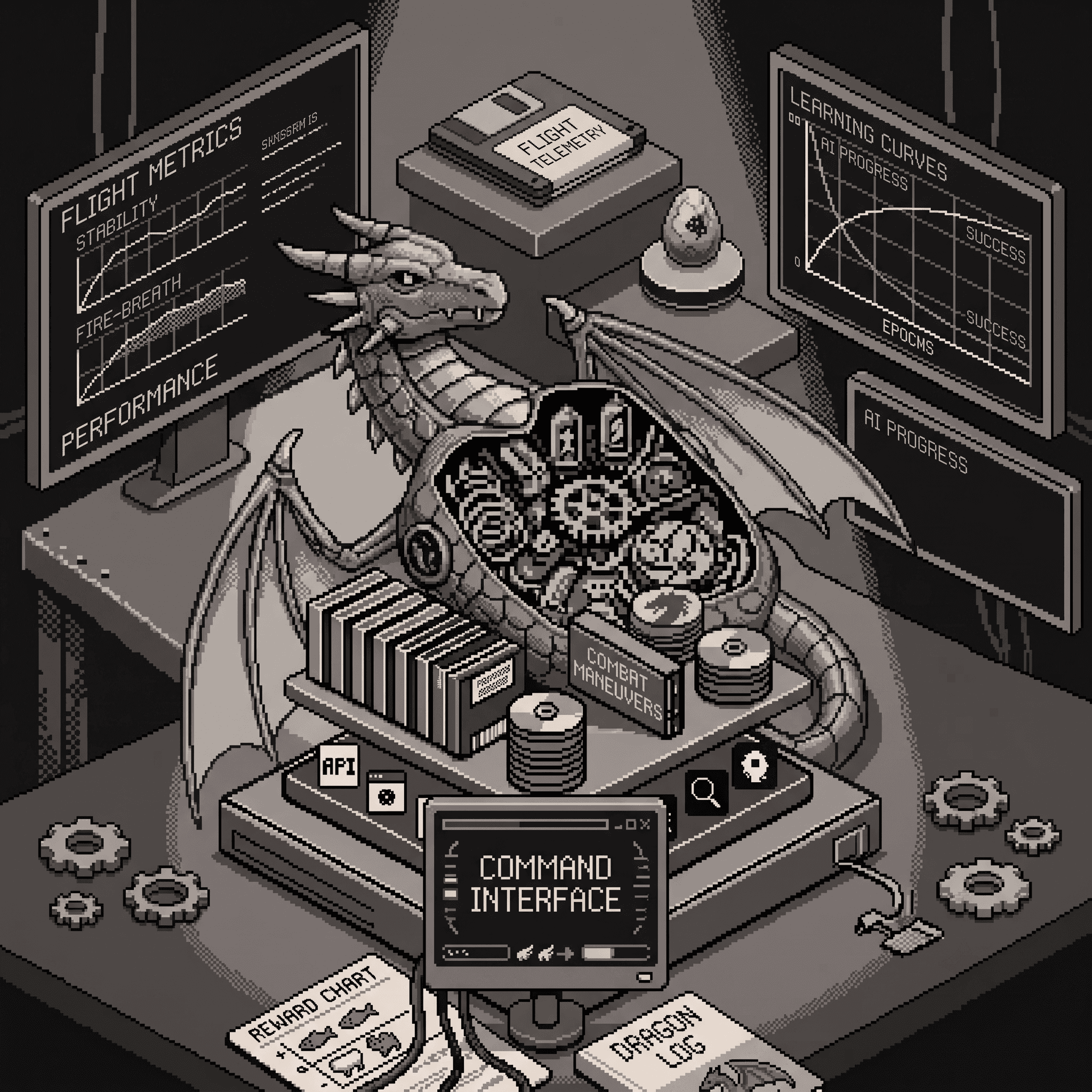
How to train your agent

by Pritam Soni

Learnings from building, deploying and improving agents in production.

Tutorials
Agents

Unwrapping the wrappers

by Sam Brunt

Application layer companies are training their own models. Why?

Research
Models

How do you turn traces into a training dataset?

by Rohit Gupta

Every agentic system can create its own training data.

Tutorials
Data

Prompt engineering vs fine-tuning

by Rohit Gupta

Prompt engineering changes what you send the model. Fine-tuning changes the model's weights. Start with prompts because they are fast, cheap and reversible. Fine-tune when the eval stops improving, the task is narrow, and you have a few thousand real examples of the output you want.

Product
Data

What are the different types of fine-tuning?

by Rohit Gupta

What's the difference between SFT, LoRA and Distillation?

Tutorials
Models

Open-weight vs frontier models: when to rent, when to own

by Pritam Soni

Frontier models are the most capable models available, and most are closed and rented through an API. Open-weight models publish their weights, so you can fine-tune them and run them where you choose. Rent while volume is low and the task is broad. Own once volume is high, the task is narrow, or data cannot leave your perimeter.

Research
Models

The anatomy of an AI agent

by Pritam Soni

An agent has a model, loop, tools and memory.

Research
Agents

So, you have observability. Now what?

by Tyler Edwards

Observing your agent is table stakes.

Research
Observability

Secret agent Overmind

by Tyler Edwards

Your agent is the most documented system in your engineering org and yet you can't answer simple questions.

Product
Agents

Think smaller

by Tyler Edwards

Frontier models are overkill for most agent tasks. Specialized small language models beat them on cost, latency, and accuracy.

Product
Models